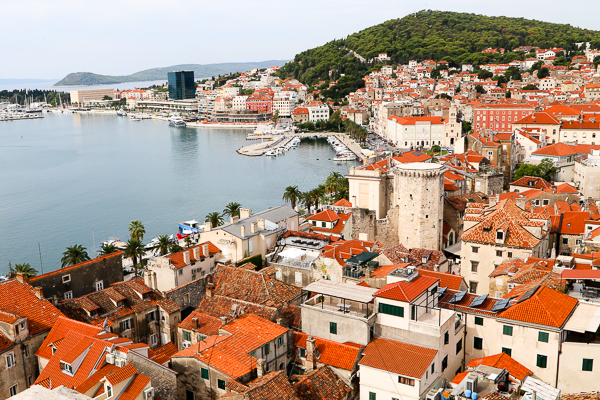
Rarely do we get the chance to freely explore a Roman imperial palace whenever we liked, 24 hours a day without entrance gates and tour groups with megaphones. Here we stood directly above Emperor Diocletian's Palace in Split, overlooking the 1700-year-old maritime fortress and royal residence now transformed into a dynamic neighbourhood of historic apartments interweaved with upscale cafes and jazz clubs.
There are so many cool thing about the historic centre of Split, an archeological goldmine and UNESCO World Heritage Site unfortunately surrounded by 20th century industrial sprawl and regularly overshadowed by Dubrovnik as Dalmatia's premier tourist destination. While nobody can refute Dubrovnik's photogenicity, I personally enjoyed Split much more for its authenticity, reasonable prices as well as the plethora of day-trip opportunities for longer stays.

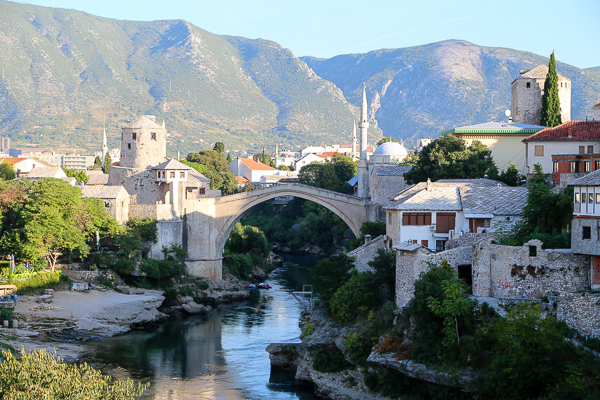
This was the midpoint of our 22-day Balkan road trip from Albania to Slovenia as we arrived on a lengthy bus ride from our previous stop of Mostar in Bosnia and Herzegovina. Split would be our homebase for the next few nights with day-trips to three other UNESCO World Heritage Sites: Trogir, Sibenik and Zadar.
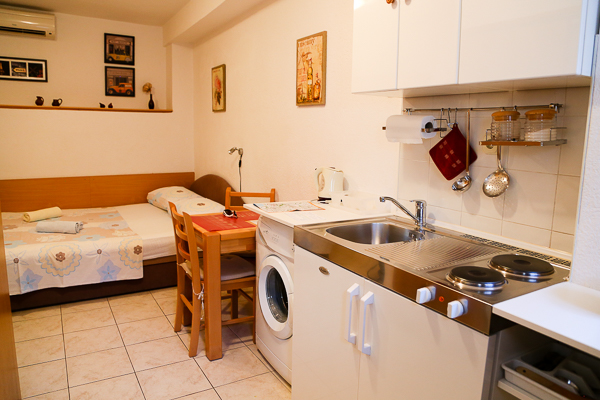
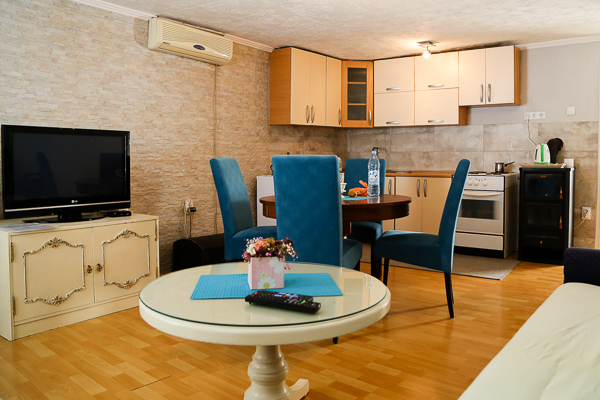
With limited budget we settled for a pint-sized apartment at an optimal location -- literally a two minute walk from Diocletian's Palace and five minutes from the bus station -- with a functional kitchen, air conditioning and the indispensable washing machine. Special thanks to Neno and family for being such helpful hosts!
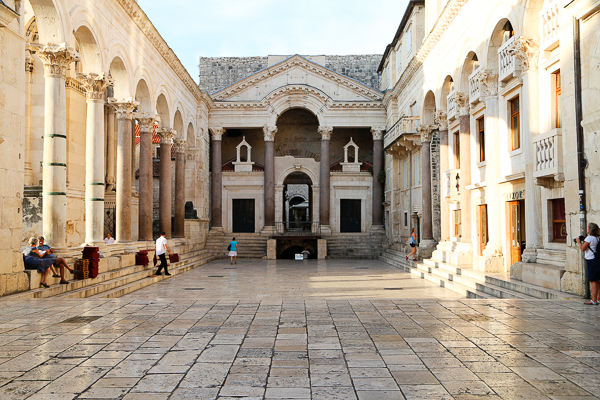
Our apartment's proximity to Diocletian's Palace allowed for early morning photoshoots at the gorgeous Peristyle, originally the palace's central courtyard now incorporated into the Romanesque cathedral and the various Renaissance mansions built on top of its Roman granite columns over the centuries.
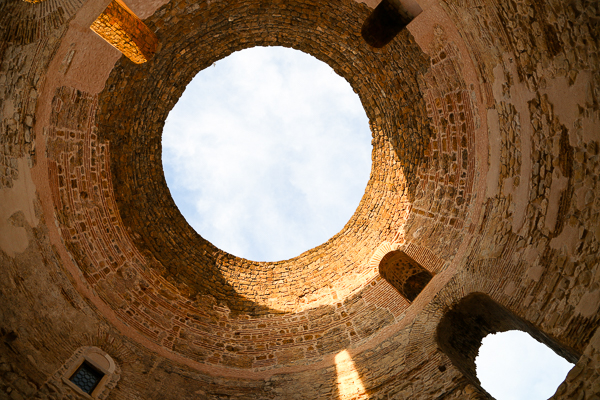
Formerly a lavish foyer for Diocletian's living quarters, the Vestibule's spherical cupola had been gradually overtaken by peasant squatters over the centuries, deteriorating into a livestock pen at times before being restored as public space and regularly used by a capella groups for superb acoustic qualities that continue to testify the precision of 4th century Roman engineers.
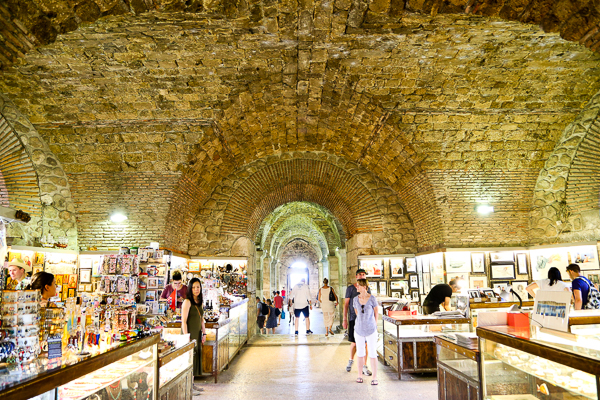
The landing that once received distinguished guests arriving at the Emperor's seaside residence by boat has been converted into a subterranean chamber hosting an assembly of souvenir shops, now situated at least 100m from the nearest shore beneath ethnographic museums and 4-star hotels.
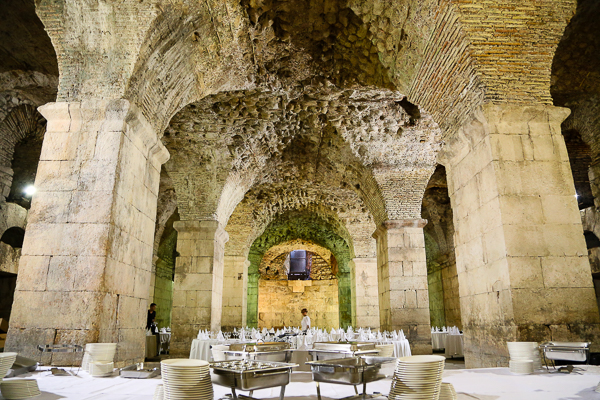
Relics from the Emperor's gigantic wine presses remain visible in the expansive underground cellar, now open to the public as an archeological museum and occasionally booked as the city's most prestigious venue for private banquets. That said, many guests may not know the historic function of this monumental hall as the city's septic tank for human waste back in the Middle Ages.
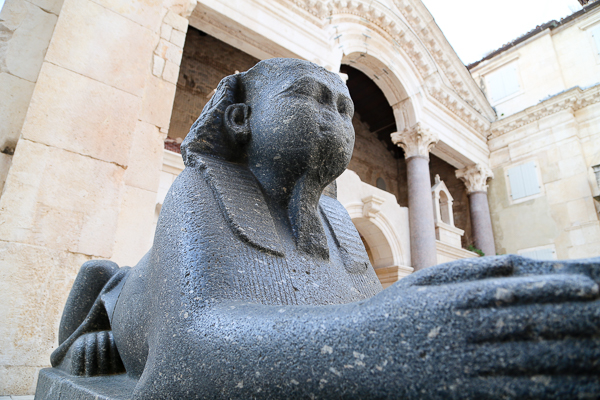
It was the height of Roman influence in Dalmatia when Diocletian ordered twelve of these 3500-year-old Egyptian sphinxes to be shipped to Split, standing guard outside the Temple of Jupiter and Diocletian's future mausoleum.
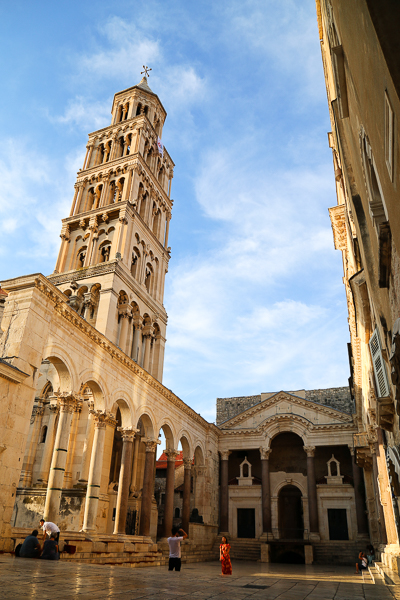
The Romans have since given way to the Byzantines, Hungarians, Venetians and now Croatians, and Diocletian's mausoleum has since become the second oldest existing structure used as a Roman Catholic cathedral, satirically named after a 3rd century local bishop executed by Diocletian himself.

The cathedral's 12th century bell tower offers sweeping panoramas of Split's impressive maritime credentials, from Diocletian's seaside fortress to Yugoslav-era shipyards to Adriatic cruise ships of the 21st century. Passenger ferries in the background make Split the default jump-off point for the nearby islands of Brac, Hvar and Korcula, and for the Italian port of Ancona across the Adriatic.

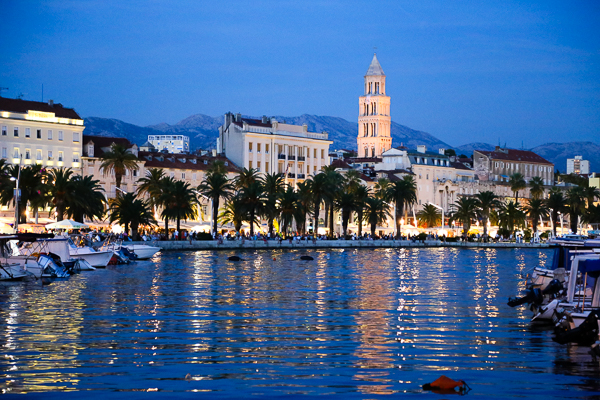
Maritime traditions apparently rub off among local university students who routinely gather at the old fishing port of Matejuska across from the city's most expensive hotels, cheap beers in hand and enjoying the summery sunset on Split's palm tree-lined riviera. For us it was this refreshing dose of authenticity that differentiated Split from the disney-esque atmosphere of Dubrovnik.
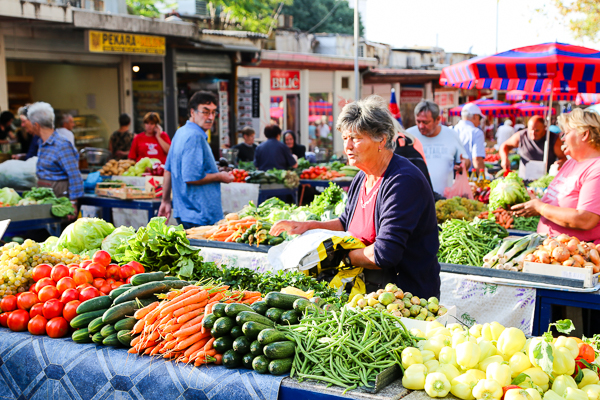
My favorite activity in the morning was a stroll to the Green Market just east of Diocletian's Palace, rummaging between rows of fresh produce and watching local grannies inspect the prsut and cheese with their noses. For more authentic shopping among the local housewives, another lesser-known open-air market exists a couple hundred metres north near Istarska ulica, where my wife was able to pick up a linen dress fit for the local climate.
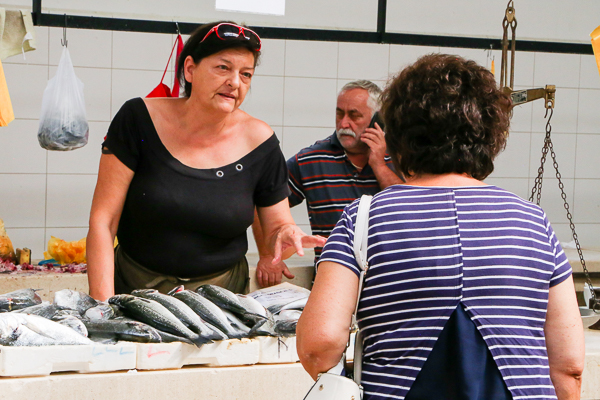
Early morning hustle at the fish market makes for another terrific spot to people watch at this timeless port city, known for its time-honoured fish recipes with Venetian influences. Here in Split we sampled three of the city's countless seafood restaurants, based largely on recommendations from our friendly landlord.
Restaurant Review: KONOBA FIFE (Split) (Location Map)

This was our landlord's top recommendation for a proper introduction to authentic Dalmatian fare, not just seafood but also hearty regional specialties such as stuffed peppers or beef tripes, served by characterful (i.e. rough in a good way) staff on crowded tables that you'll most likely share with a bunch of strangers.
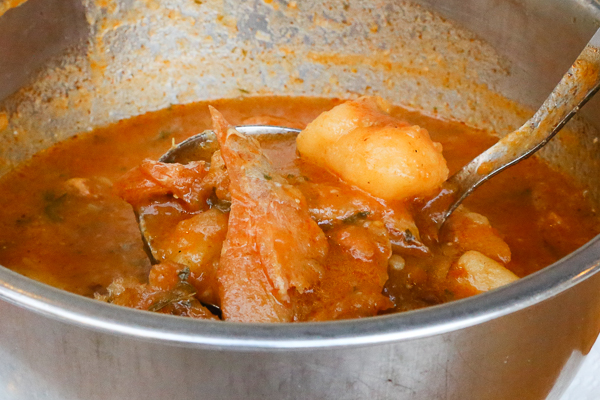
A stone's throw from the fishing boat anchors at Matejuska, Konoba Fife has for decades served gruffly sailors and cash-strapped students alike with its cheap and dependable menu of home-cooked favorites. We spent a reasonable 64 kuna (8.7 euros) on this filling Dalmatian stew of Bakalar na Brudet, and only 48 kuna (6.5 euros) for a filling dish of Stuffed Peppers, a reverse sticker shock after spending a couple days at the extortionate Dubrovnik.
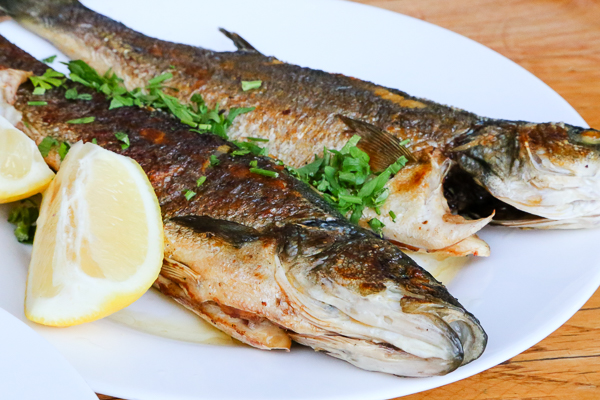
We really should have stuck to the local specialties rather than this generic plate of two grilled sea basses, amazingly (compared with Dubrovnik) priced at just 81 kuna but slightly stale. But as the food was authentic and the wine was cheap, both ourselves and the Oregon couple who shared our table quite enjoyed this casual evening just off Split's waterfront boardwalk.
Meal for Two Persons
| Stuffed Peppers | 48 Kuna |
| Grilled Sea Bass | 81 Kuna |
| Bakalar na Brudet | 64 Kuna |
| Table White 0.5L | 45 Kuna |
| Bottle of Water | 16 Kuna |
| TOTAL | 254 Kuna (CAD$51.8) |
Now comfortable with our landlord's restaurant recommendations, we proceeded to try another little konoba hidden in a blind residential alley just north of the old town.
Restaurant Review: KONOBA KOD JOZE (Split) (Location Map)
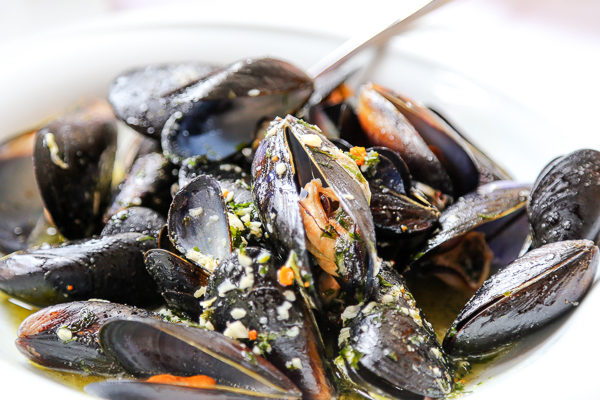
Our landlord's second recommendation was a step above Konoba Fife's level of blue-collar rowdiness, appearing as more of a neighbourhood tavern that catered more to its regulars than to occasional visitors like ourselves. Right from the start Konoba Kod Joze impressed us with its purist interpretation of Mussels Buzaru with little more than white wine, olive oil, and copious amounts of minced garlic to accentuate the flavour of these fresh mussels from the nearby islands.
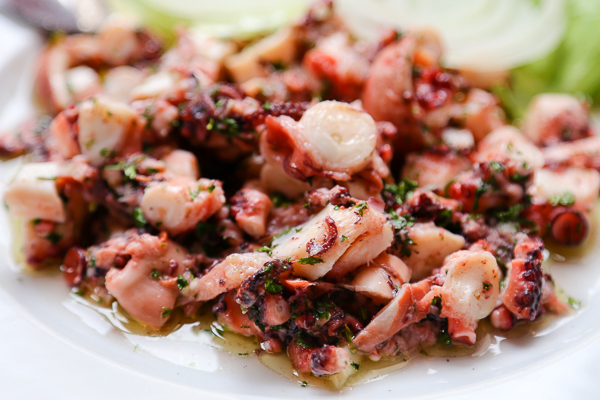
And that was followed by my favorite dish in Split, a generously portioned and impossibly tender dish of octopus salad, again seasonsed simply with little but fresh herbs, wine vinegar and some impressively fragrant olive oil from the Adriatic islands. This was a few notches above the watery but decently flavoured risotto to come.

I completely understood our landlord's preference for this hard-to-find konoba offering quality, traditional Dalmatian flavours at neighbourhood prices. For three seafood courses plus drinks, we spent 298 kuna (40 euros) which -- to put prices in perspective -- was exactly what we spent on a burger platter, before drinks, at overpriced Dubrovnik just a few days prior.
Meal for Two Persons
| Mussels Buzaru | 70 Kuna |
| Octopus Salad | 85 Kuna |
| Shrimp Risotto | 95 Kuna |
| Draft Beer | 20 Kuna |
| Fruit Juice | 18 Kuna |
| Bread x 2 | 10 Kuna |
| TOTAL | 298 Kuna (CAD$60.8) |
For the third restaurant we decided to forgo our landlord's recommendations and found something else on TripAdvisor. I should have known better.
Restaurant Review: KONOBA HVARANIN (Split) (Location Map)

Barely a two minute walk inland from Konoba Fife, Hvaranin boasted a much quieter ambiance with a classy wooden bar counter and friendlier wait staff. But that's where my wife's compliments would end as her Green Pasta with Shellfish, arguably the most common of pasta dishes here in Split, turned out memorably tasteless.
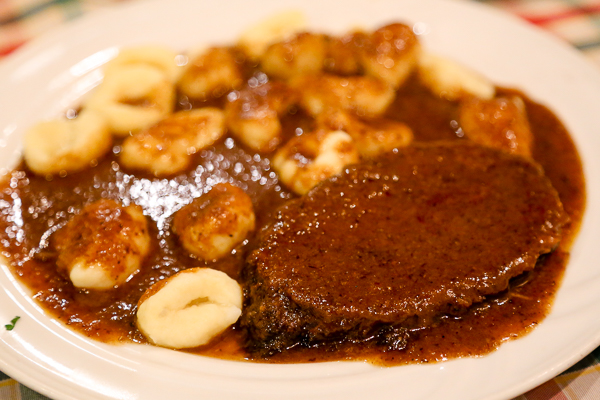
Thankfully their Dalmatinska Pašticada with Gnocchi, a meticulous recipe for marinating and pot roasting beef in red wine and vinegar with a myriad of aromatic vegetables and herbs, turned out fork-tender with a wonderfully complex sauce/puree to accompany the gnocchi. As expected none of our three meals in Split reached the gastronomic heights that the extraordinary Ficović at Ston took us, though we certainly appreciated the assortment of authentic, traditional eateries at prices more sensible than Dubrovnik's.
Meal for Two Persons
| Dalmatinska Pašticada with Gnocchi | 120 Kuna |
| Green Pasta with Shellfish | 100 Kuna |
| Green Salad | 20 Kuna |
| Glass of House Wine | 30 Kuna |
| Bottle of Water | 25 Kuna |
| Bread x 2 | 10 Kuna |
| TOTAL | 305 Kuna (CAD$62.2) |
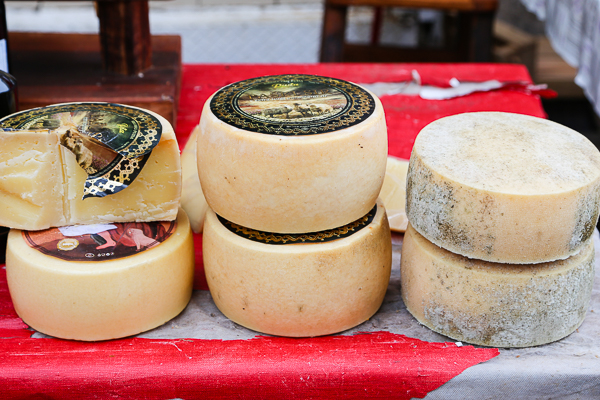
But my favorite gastronomic discovery at Split was not made at any restaurant, but at the cheese counter of the local supermarket. I absolutely fell in love with the exclusive Paški Sir, an aged hard cheese infused with the intense flavour of wild aromatic herbs grazed by the roaming sheep on the offshore island of Pag. Fellow cheese lovers should do your tastebuds a favour and get a wedge (or a wheel!) from the local markets -- I never managed to find it again after departing Dalmatia for northern Croatia.
From Split we would tour the nearby historic town of Trogir, followed by visits to Sibenik and Zadar on our day of departure. With Trogir, Sibenik, Krka National Park, Zadar and the islands of Brac and Hvar all within day-trip distance, even the most ambitious traveler should be able to spend a week here without getting bored, which would be my top reason for recommending Split over Dubrovnik ... unless you're already planning to visit both.
IF YOU GO
Split's airport is served by numerous airlines including budget carriers such as EasyJet from London Gatwick. For those planning a cross-Balkan road trip like we did, highway coaches from Zadar (3 hours), Dubrovnik (4.5 hours) and Mostar (4.5 hours) arrive at the bus station just south of Diocletian's Palace. For those with even more time, it is also possible island-hop to Brac, Hvar or Korcula and eventually reach Dubrovnik by sea.