Monday, December 12, 2016

West Japan Circle Route in 16 Days

This is the INDEX PAGE of our self-guided West Japan Circle Route in 16 Days, with in-depth focus on regional food and local culture.

Starting and ending at Hiroshima, this trip passed through 15 historic towns and 4 UNESCO World Heritage Sites. Destinations include Takehara, Kurashiki, Okayama, Onomichi, Bitchu-Takahashi, Matsue, Kurayoshi, Adachi Museum, Izumo Taisha, Yunotsu, Iwami Ginzan, Tsuwano, Hagi, Yanai, Iwakuni, Miyajima, and finally Hiroshima.


Hiroshima - Cheap Seafood Pancake to Michelin-Starred Restaurant
Click HERE to Enter


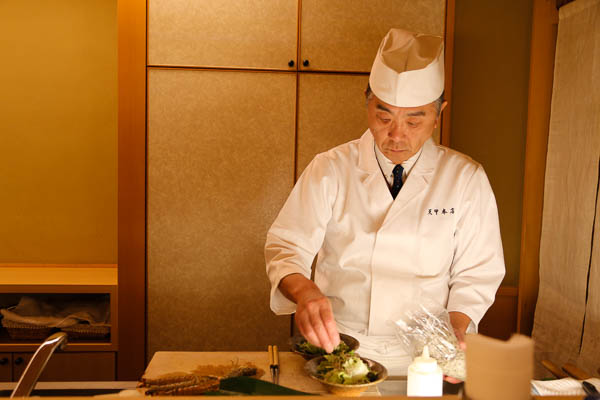
Omakase Lunch at Hiroshima's Tempura Master Chef
Click HERE to Enter


Memories of War - and Peace - in Hiroshima
Click HERE to Enter


Miyajima - Japan's Best Oysters and Broiled Unagi Eels
Click HERE to Enter


Miyajima in Glorious Autumn Foliage
Click HERE to Enter


Advanced Japan How-To: Hop-On Hop-Off JR Trains Using Cheap Regular Tickets
Click HERE to Enter


Iwakuni - 300-Year-Old Ryokan and 160-Year-Old Restaurant
Click HERE to Enter


Annual Street Festival at Historic Yanai
Click HERE to Enter


Remote Feudal Town of Hagi - Part 4: Impossibly Cheap Seafood to Exquisite Kaiseki
Click HERE to Enter


Remote Feudal Town of Hagi - Part 3: Poisonous Fugu at Cheap Hotspring Ryokan
Click HERE to Enter


Remote Feudal Town of Hagi - Part 2: Samurai Quarters
Click HERE to Enter


Remote Feudal Town of Hagi - Part 1: Birthplace of Modern Japan
Click HERE to Enter


Tsuwano - Apartment Rental, Sushi-ya and Japanese Pizza
Click HERE to Enter


Tsuwano - Historic Enclave in the Mountains
Click HERE to Enter


Saturday Night Fever - Kagura Dance at the Shrine
Click HERE to Enter


Iwami Ginzan - World Heritage Site Off Japan's Beaten Paths
Click HERE to Enter


Renting a Traditional Machiya House - in a Hotspring Town!
Click HERE to Enter


Sashimi That Still Moves! Our Favorite Dinner in West Japan
Click HERE to Enter


Izumo Beyond its Uber-Famous Shrine
Click HERE to Enter


Most Beautiful Japanese Garden in the World - Adachi Museum
Click HERE to Enter


Charming Kurayoshi ... 4 Weeks After 6.6 Earthquake
Click HERE to Enter


Matsue Restaurants - Part 2: Reservations-Only Seafood Izakaya
Click HERE to Enter


Matsue Restaurants - Part 1: Ramen in Flying Fish Broth, Discount Wagyu Beef from Butcher
Click HERE to Enter


Matsue - Underrated Gem on Japan's Left Coast
Click HERE to Enter


Bitchu-Takahashi - Mountain Top Castle in Blazing Autumn Foliage
Click HERE to Enter


Onomichi - Temple Walk, Beef Tongue and Poisonous Okoze Fish
Click HERE to Enter


Okayama's 300-Year-Old Garden and 85-Year-Old Tonkatsu Restaurant
Click HERE to Enter


Kurashiki Restaurant Reviews - 2 Seafood Izakaya, 1 Yakitori-ya and 1 Ryokan
Click HERE to Enter


Ultimate Kurashiki Experience - Renting a Traditional Machiya for 3 Nights
Click HERE to Enter


Takehara - Hiroshima's Charming, Hidden Gem
Click HERE to Enter


West Japan Circle Route in 16 Days - Itinerary
Click HERE to Enter

Thursday, October 6, 2016

Macau - Part 4: Authentic Cheap Eats


Cheap, lip-smacking peasant snacks represent Macau's greatest allure to foodies like myself. While I thoroughly enjoy its 450 years of colonial culture, its fascinating, gorgeously dilapidating cityscape and its plethora of renowned upscale restaurants, nothing beats rummaging through its labyrinth of back alleys for some authentic local eats.

And the best part? Everything reviewed below is under 30 Patacas (CAD$4.3) per person!


FIRMA U TAC HONG (a.k.a. Lee Hong Kee)
19D Rua da Madeira; 5 minutes walk northwest of Largo do Senado


This tiny shop serves up possibly the smoothest, most velvety Soft Tofu Dessert we've ever tasted anywhere.

Best known locally as Lee Hong Kee, this 60-year-old institution is legendary among locals and visitors alike despite its obscure location in a residential neighbourhood, a few minutes' walk from the city's heart of Largo do Senado. You know it's legit when all the grandmothers down the street come here to buy their daily tofu.


Wobbly chairs, rusted wall-mounted fans and a customized refrigerator that still bore the name of the shop -- the interior decor probably hasn't changed since the 1950's. Nostalgia is just part of its appeal, but the key is ... one can always depend on these old specialty shops to excel at the one product they focus on.

The menu was simple -- Soft Tofu Dessert in small or large portions, and Soy Milk in sweetened or unsweetened flavors. The two of us ordered a large Soft Tofu Dessert to share as well as two cups of Sweetened Soy Milk, all for just 26 Patacas (CAD$3.7).


Look at the incredible softness of the Tofu Dessert as it wrapped around the spoon! The choice of condiments included the standard yellow cane sugar, ginger-infused syrup or the unconventional (and most delicious in my opinion) evaporated milk. I absolutely wouldn't miss this delectable ice-cold treat, especially on a hot summer day on my way to visit the nearby UNESCO World Heritage churches and mansions.

Bill for Two Persons
Soft Tofu Dessert (Large)14 Patacas
Sweetened Soy Milk x 212 Patacas
TOTAL26 Patacas (CAD$3.7)

That was a 5 minute walk from Largo do Senado on a side street. If you want some cheap and authentic bites even closer to the central square, head for the wet market building of Mercado de Sao Domingos.


COMIDAS CHI KEI and CAFE SENG KEI
3/F, Complexo Municipal do Mercado de Sao Domingos; less than 1 minute's walk northwest of Largo do Senado


This is another half-century-old institution in Central Macau, currently run by the second generation owner after the former street stall was relocated to the third floor of the Municipal Complex, known locally as the Ying Dei Gai Market. Welcome to Comidas Chi Kei.


Regulars should be able to locate the stall blindfolded, guided by not only the spicy aroma but also the distinctive clanging of iron scissors that always proclaims the presence of a Beef Tripe specialist. It is an evocative sound that is slowly becoming extinct in nearby Hong Kong and Guangzhou, but apparently still alive and well in Macau.


For just 45 Patacas (CAD$6.4) we ordered a heaping bowl of assorted Beef Tripe, including the common honeycomb tripe, flat tripe, omasum tripe, beef lungs and slow-cooked beef tendons. With a generous dash of special chili paste on top, a cheap and mouthwatering lunch for two was ready to go.


My favorite was the soft and flavorsome beef pancreas with its spongy, morel-mushroom-like texture to soak up the full complexity and spiciness of the Lo Shui marinade.


Equally well-known among the locals is the next stall to the right, Seng Kei, for its old-fashioned Milk Tea and coffee brewed out of traditional Chinese claypots and filtered with the so-called silk stocking sieves.


Their freshly brewed Milk Tea might not have been the absolute best in flavor, but it was authentic and smooth with just the right amount of evaporated milk and syrup. This light lunch for two cost just 53 Patacas (CAD$7.6), keeping enough change in our pockets and room in our stomachs for our afternoon tea stop.

Bill for Two Persons
Beef Tripes45 Patacas
Iced Milk Tea8 Patacas
TOTAL53 Patacas (CAD$7.6)

Arguably Macau's best known contribution to the culinary world is the blue-collar favorite of Pork Chop Bun, the local equivalent of an Italian Panino con la Porchetta or a Pulled Pork Sandwich from the American Deep South, except that the locals prefer their pork in a meaty slab, sometimes boneless and sometimes with bones in. The best place to sample this local delicacy is to visit a neighborhood Cha Chaan Teng, or Macau-style cafe.


SING LEI CHA CHAAN TENG
94 Rua dos Mercadores; 2 minutes walk northwest of Largo do Senado


Located just a block away from Largo do Senado, little Sing Lei is widely known as one of the best bets for Cha Chaan Teng in Central Macau, especially for their famed Deep-Fried Pork Chop Bun. This neighbourhood hangout is also a great place to people-watch at any hour, as it stays open from 07:30 for breakfast until 22:00 for late dinners, seven days a week.


This isn't your typical Macanese Pork Chop Bun, which usually consists of a large, thin piece of pork chop marinated in a soy or Maggi sauce mixture and served either grilled or pan-fried. Sing Lei's version however is marinated, coated lightly in flour then deep-fried to produce a thicker, juicier pork chop with a golden crispy batter, just the way I personally prefer.


My wife's favorite item in any Cha Chaan Teng is the ubiquitous French Toast which, locally influenced by the Cantonese palate, often comes stuffed with a layer of condensed milk or even Malaysian coconut paste (Kaya) in the middle.


Perhaps the best item to symbolize centuries of Chinese-Western fusion would be the unlikely yet harmonious mixture of cheap coffee with Milk Tea, resulting in the popular breakfast pick-me-upper known as Yuanyang. That's the essence of the Cha Chaan Teng: cheap local ingredients, a marriage of Chinese and Western influences, all culminating in a range of comfort food designed for the working class of Macau. With fantastic choices like these, why would anyone go to McDonald's for breakfast?

Bill for Two Persons
Deep-Fried Pork Chop Bun19 Patacas
Breakfast Set: French Toast + Yuanyang28 Patacas
TOTAL47 Patacas (CAD$6.7)

While Sing Lei was an excellent breakfast spot, we visited a truly unforgettable little joint on our second morning in town, a 5 minute walk south of Sing Lei.


SEI KEE CAFE
Largo de Santo Agostinho; 4 minutes walk uphill to the southwest of Largo do Senado


This place is a living fossil.

This isn't a film set or a reconstruction -- it's one of Macau's last remaining Dai Pai Dong, or streetside cafes, faithfully serving its neighbours at Santo Agostinho for over 50 years with its charcoal-fired stove and old claypots. While the grandsons have opened up two take-out shops elsewhere in town to promote their signature Milk Tea, the antiquated roadside stand is still run by the elderly couple, only from Monday to Friday and only in the morning.


There is no printed menu. Find an empty seat on one of the antique wooden benches, and the owner himself will come and tell you what's currently in store. On this day it was the classic Nai Yau Dor, the local peasant favorite of white toast roasted over a charcoal grill and topped with soft melted butter and sweet condensed milk.


The legendary claypot-brewed Milk Tea was as good as advertised, smooth as velvet and strong with a smoky aftertaste from its secret blend of tea leaves, rumoured to be a perfect balance of Ceylon Black and Yunnan Puer but never substantiated. Unlike most Cha Chaan Teng cafes, Sei Kee always refrigerates their Milk Tea ahead of time instead of serving it on ice which dilutes the flavor as you get to the bottom. Nowadays one could easily pick up a bottle at one of Sei Kee's retail outlets, but it just ain't the same as sipping a cold one on a sweaty day at the 50-year-old Dai Pai Dong ... while the old couple are still healthy and running the show.

Bill for Two Persons
Charcoal-Roasted Toast with Condensed Milk and Butter12 Patacas
Iced Milk Tea x 216 Patacas
TOTAL28 Patacas (CAD$4.0)

Four centuries of Portuguese rule has bestowed upon Macau a wealth of delectable sweets such as the crumbly Pastel de Nata, which has since become such a nationwide favorite that it can now be found at Chinese KFC outlets from Beijing to Kunming. But there is another local dessert that hasn't yet risen to the same level of prominence until recent years.


SERRDURA
Shop AA, G/F, Block 6, Phase 1, Chun Fuk Sun Chun, Rua do Regedor, Taipa; 4 minutes walk west of Rua do Cunha bus stop


Located a short bus ride away from Central Macau in the former island village of Taipa, the playfully named Serrdura specializes on one item only -- the Portuguese favorite of Serradura, better known to the locals as Sawdust Pudding for the appearance of the finely crumbled tea biscuits on top. Purists like ourselves would go for the original flavor with condensed milk, though one could also opt for Matcha, Mango or even the loved-and-feared Durian.


In recent years this frozen treat has become THE signature dessert in Macau's finer Portuguese restaurants where it typically costs upwards of 60 Patacas (CAD$8.6). Here a fraction of the price buys you an authentic Serradura of respectable quality, though one could argue that it may not be as meticulously layered as what you would find at the Michelin-starred establishments in town. But 12 Patacas (CAD$1.7) towards a balanced diet of whipped cream and biscuits for breakfast? I definitely would have no complaints.

Bill for Two Persons
Serradura12 Patacas
TOTAL12 Patacas (CAD$1.7)

Prior to leaving for Hong Kong we made our obligatory stop for some authentic Macanese "Sau Shun," or snackable souvenirs in the local dialect. Our previous visit saw us hauling several pounds of Pan-Fried Pork Jerky in Abalone Sauce from the little shops lining the steep Rua de Sao Paolo, but this time we opted for some traditional pastries and candies in the Cantonese tradition.


PASTELARIA CHUI HEONG
12 Rua do Gamboa; 4 minutes walk southwest of Largo do Senado


Do not be mistaken.

This is NOT the popular, mass-producing bakery of Choi Heong Yuen, which is only second rate according to my tastebuds. While I do admire the likes of uber-famous Choi Heong Yuen and Koi Kei in their ability to churn out reasonably high quality products out of factories, they are simply no match for small-batch, artisan-operated bakeries in reaching that absolute peak of their traditional craft.


Pictured here was a fresh batch of the most scrumptious Charcoal-Fired Almond Biscuits, embedded with the crunchiness of roasted almond chunks and a layer of pork lard for that melt-in-the-mouth moistness. If you have business associates or friends in Hong Kong whom you want to impress, a package of Almond Biscuits from this one-and-only shop in Macau would surely proclaim you as a connoisseur of Chinese pastry.

Bill for Two Persons
Chunky Almond Biscuits (20 pieces)55 Patacas
TOTAL55 Patacas (CAD$8)

Last but not least I must mention a wonderful street vendor for the absolute best Cantonese Peanut Candy, though the exact location is tricky to describe.


FEI JAI KEI PEANUT CANDY
Street Stall across from Koi Kei Bakery at 72 Rua da Felicidade; 5 minutes walk northwest of Largo do Senado


This tiny, chaotic street stall is well worth your time even if it takes some effort in finding it. If you walk along the former brothel quarter of Rua da Felicidade, this stall is just across from the Koi Kei outlet at No.72. Trust me -- you will thank me for it.

Run by an older gentleman known to regulars as Fei Jai, or Fat Boy, the stall specializes in one and only one product -- the crunchy, syrupy Cantonese Peanut Candy handmade into various forms and flavors. Fat Boy isn't fat anymore these days, though he still packs that enviable bicep from decades of mixing his viscous, hand-pulled syrup and crushed peanuts into his signature sweets.


You get to choose between soft or hard candy in several flavors: original peanut, white sesame, black sesame and coconut shreds. While 30 Patacas (CAD$4.3) for a package of Peanut Candy with Black Sesame wasn't the cheapest, the mouthfeel and flavor of the candy was miles better than the offering at neighboring Koi Kei. Again if you have associates in Hong Kong, a couple packages as souvenir would surely earn you respect as a genuine foodie.

Bill for Two Persons
Soft Peanut Candy with Black Sesame30 Patacas
Hard Peanut Candy with Black Sesame30 Patacas
TOTAL60 Patacas (CAD$8.6)

Friday, September 9, 2016

Macau - Part 3: Affordable Upmarket Restaurants


Besides its charming historic quarter, my favorite reason to keep visiting Macau is the alluring fusion cuisine, refined over 450 years of cultural amalgamation between the seafaring Portuguese and the indigenous Cantonese people. While I do tend to focus on cheaper hole-in-the-wall shops, this time I did visit some mid and upper range restaurants recommended by the locals.


ALBERGUE 1601
Calcada da Igreja de Sao Lazaro 8; 5 minutes downhill walk to the east from Fortaleza do Monte


This was our most expensive meal in Macau, a seafood dinner of Portuguese favorites on the quiet backside of Fortaleza do Monte, overlooking an elegant cobblestone square that belied its past history as a leper hospital. For the romantic ambiance or the traditional recipes, Albergue 1601 is widely known as a popular venue even on weeknights, and we did make our reservation in advance.


It must have been at least 10 years since I last had Sopa de Rabo de Boi, or Portuguese for Oxtail Soup, from a neighbour's home cooking. As a carnivore I would have loved a little more meat, though my wife was quite satisfied with the broth in this Iberian classic.


My favorite Portuguese ingredient -- and I'm sure I'm not alone in this -- is the simple and flavorful Bacalhau. Picking just one out of many delectable Bacalhau dishes always creates a dilemma whenever I'm in Macau, and this time we ordered the popular Bacalhau a Bras, a scrumptious mixture of salted cod with crispy potato shreds, scrambled eggs and what might have been a fusion touch of Cantonese mung bean sprouts to soak up the flavor. Yes, it's as good as it sounds, at least to this Bacalhau fan.


My wife's favorite, and arguably the best value of the night, was this gigantic pot of Arroz con Mariscos large enough to feed two for 228 Patacas (CAD$32.6). I don't remember how we managed to finish the dish, but it did take us the rest of the night.


Swimming inside the paprika (didn't think it was saffron, but I could be wrong) infused soup stock were generous portions of blue crabs, giant prawns, clams, calamari and white fish chunks, the essences of which all became absorbed by the rice at the bottom. The final bill turned out to be 255 Patacas (CAD$36.4) per person without any alcohol, not exactly cheap but reasonable for some colonial nostalgia at one of the most charming locations in town.

Bill for Two Persons
Sopa de Rabo de Boi68 Patacas
Bacalhau a Bras168 Patacas
Arroz con Mariscos228 Patacas
Service Charge46 Patacas
TOTAL510 Patacas (CAD$73)


One side effect of Macau's overabundance of mega casino complexes is the blossoming of top end restaurants catering to a very specific clientele, the increasingly affluent upper class of the Chinese-speaking world. While our modest budget could not afford 700 Patacas (CAD$100) per person dinners, extravagant Dim Sum lunches could be enjoyed for just a fraction of that price.


THE EIGHT
2/F at the Grand Lisboa Casino


This has to be my best ever Dim Sum lunch in terms of quality, beating even Hong Kong's Lung King Heen, yet another Michelin 3-Star restaurant, in my mind.

And this is coming from someone fussy enough about Dim Sum that I've completely given up on Gwun Tong Gau because the modern interpretation has a light broth outside the dumpling (shouldn't that be called Gau Gwun Tong instead?) as opposed to the traditional, gelatinously thick and delicious paste inside. But I digress.


At the time of writing, The Eight remains one of the very few Michelin 3-Star Chinese restaurants anywhere in the world, having successfully defended its prestigious ranking several years running. While prices were upmarket as expected, every diner would be spoiled by this lavish appetizer duet of Chilled Abalone with Pomelo Jelly and Minced Pork Crisp in a paper-thin shell, served individually for FREE.

Yes, FREE abalone, simmered in consommé and served cold to accentuate that unique chewiness and Umami flavor. People can complain about the pot of tea for 30 Patacas (but it was a high quality Tieguanyin!), but the free abalone was certainly an eye-popping initiation to a fantastic lunch.


We purposely started with the classic Dim Sum staple of Rice Roll with Barbecued Pork, except this time it came with a fusion twist of Japanese Kyuuri no Tsukemono which, despite our initial skepticism, lent its acidity very well to complement the sweetness of the Char Siu. Two terrific dishes to set the tone, and things would soon get even better.


I had always been conditioned to avoid cute, contemporary Dim Sum -- Hello Kitty puddings and pink piggy steamed buns which typically turn out tasteless and stale. While I was glad that my wife loved the appearance of these little hedgehogs, I honestly did not expect them to rank among my two favorites courses of this meal, until my first bite.

Hedgehog-shaped or not, these were exceptional Crispy Barbecued Pork Buns in their own right -- crusty but not charred, crumbly to the bite and filled with a luscious Char Siu paste. One must appreciate the painstaking handiwork and cleverness of the chefs -- how did they manage to crisp the outer shell without browning the tips of the hedgehog spikes?


My absolute favorite of the meal was another Dim Sum classic with a contemporary twist. These Steamed Crystal Blue Shrimp Dumplings in Goldfish Form were so meticulously hand-sculpted that it was impossible not to stop and admire the level of edible craftsmanship typically found only in the best Japanese Nama-gashi ... and this is arguably even more difficult as the handworked dough of rice and tapioca flour had to be steamed and remain intact at the tips of the clientele's chopsticks.


Not only was the little Koi fish gorgeous to behold, beneath its perfectly al dente tapioca flour wrapping was a premium filling of South Pacific Blue Shrimp (better known as Tenshi-no-Ebi, or Angel Shrimps when used in Sashimi) that also made it one of the freshest, crispiest shrimp dumplings we've ever tasted. While 20 Patacas (CAD$2.9) per dumpling may sound pricey for Har Gow, I found it quite reasonable for the Michelin 3-star quality.


At 68 Patacas (CAD$7) a piece, the most expensive item of the day was this palm-sized pastry topped with the opulence of a whole braised abalone. While it couldn't have been a reconstituted abalone at this reasonable price, it was well-flavored and chewy as one would expect from one of the world's leading Cantonese restaurants. My wife the abalone lover was quite happy with it.


The only dish I did not thoroughly enjoy -- and it was probably my mistake -- came about when I deviated from the safety of Cantonese classics and ordered a steamer of Shanghainese Xiao Long Bao (a.k.a. XLB Dumplings), seasoned here with the celebrated Jinhua Cured Ham, the Prosciutto di Parma of Chinese cuisine. I thought the addition of cured ham was an unnecessary distraction designed only to elevate the stature, and therefore price, of this peasant favorite. We probably should have stuck to some unpretentious Cantonese Siu Mai instead.


As we asked for the cheque our waitress came back with two of Macau's best loved tea-time indulgences, scrumptious Portuguese Pastel de Nata accompanied by a cup of traditional, velvety Milk Tea, both tasting of the high quality one would expect from an authentic Cha Chaan Teng (Macanese Cafe) ... and for FREE.

As mentioned this was a Michelin 3-Star restaurant after all, which was never going to be dirt cheap. But compared with your typical Michelin starred establishments in France or the UK, 215 Patacas (CAD$30) per head was a definite bargain, especially for a 7-course lunch at one of the premier restaurants in the world for its genre.

Bill for Two Persons
Chilled Abalone with Pomelo Jelly and Minced Pork CrispFREE
Rice Roll with Barbecued Pork and Japanese Kyuuri Pickles60 Patacas
Crispy Barbecued Pork Buns in Hedgehog Shape45 Patacas
Steamed Crystal Blue Shrimp Dumpling in Goldfish Form60 Patacas
Pastry with Whole Abalone, Morel Mushroom and Diced Chicken x 2136 Patacas
Xiao Long Bao with Cured Jinhua Ham60 Patacas
Tieguanyin Tea for Two30 Patacas
Pastel de NataFREE
Milk TeaFREE
Service Charge39 Patacas
TOTAL430 Patacas (CAD$61)


I had a slight dilemma in classifying our next stop as an upmarket restaurant for its grimy plastic chairs, folded tables and greasy bowls. But then it's no longer the cheap mom-and-pop joint it once was, after earning accolades in the Michelin Guide several years in a row. Prices remains somewhat reasonable (144 Patacas / CAD$20 per person during our visit); just bear with the sticky floors.


WONG KUNG SIO KUNG
308-310A Rua do Campo; 3 minutes walk to the north from Edificio Administracao Publica


Along with Luk Kei at Ponte 29 and Sing Kei off Av. Almeida Ribeiro, this place is well-known as one of the best spots in town for the Cantonese late-dinner favorite of Shui Hai Juk, or Crab Congee. Next to pictures of visiting Chinese celebrities and politicians were scribblings of menu offerings, which really wasn't necessary since everyone came for one of the three or four specialty items anyway.


Wong Kung Sio Kung's original claim to fame wasn't even the Crab Congee, but its artisan noodles meticulously made by folding duck eggs and flour under a bamboo press, operated by the master noodlemaker who would bounce up and down a ginormous bamboo stalk. These resulting Lo Mein noodles were as fresh and chewy as anyone could expect from pasta strands of such small radius, and the generous dusting of homemade Dried Shrimp Roe -- which could apparently be purchased for 288 Patacas (CAD$41) per jar -- was a nice traditional touch.


Years ago I learned my lesson to be extra cautious about crustacean-based congee after following a Hong Kong local to a Crab Congee place near Jordan Station in Kowloon and came down with a weeklong bout of serious diarrhea and fevers. The congee must be piping hot in order to penetrate the crab chunks and roes, which was well done here at Wong Kung Sio Kung with its saltwater crabs. While the flavor of the congee was slightly underwhelming for its price of 220 Patacas (CAD$31), at least the crab was fully cooked and filling enough for two. That said, I still wish Luk Kei were open that evening for us to get some Deep-Fried Dace Meatballs.

Bill for Two Persons
Lo Mein Noodles with Dried Shrimp Roes68 Patacas
Sea Crab Congee (1/2 Wor)220 Patacas
TOTAL288 Patacas (CAD$41)